
It takes research. It takes planning. It takes funding. But when you pull the trigger on that bucket list fishing trip, the benefits far exceed a bent rod.
No doubt, the initial appeal centers on catching something beyond your regional assortment. Maybe that’s giant Costa Rican Roosterfish, trophy Zander on the Thames, giant largemouth on a Mexican trophy lake, Black Marlin off the Australian coast, or golden dorado in Argentina’s pristine Patagonian rivers.
For anglers in the Northern U.S., maybe it’s tarpon in the Florida Keys, while southern types may dream of ice fishing for jumbo yellow perch, walleye and burbot. The menu is complex, but the truth is singular: You owe it to yourself to pick a distant fishing destination and make that trip happen.
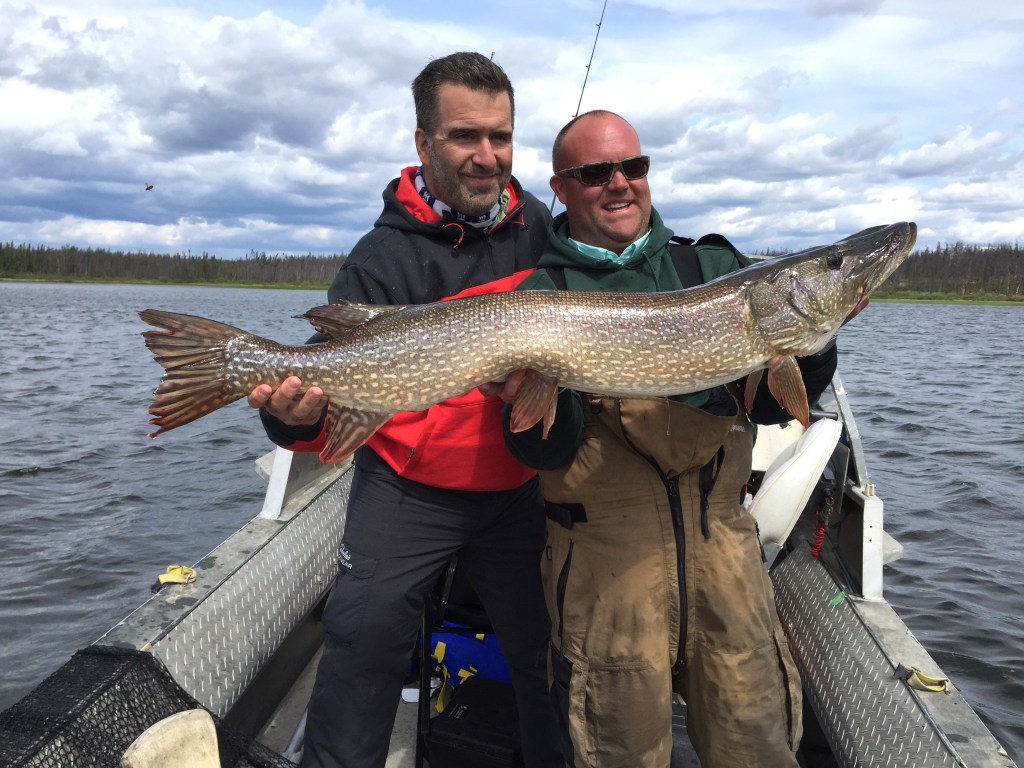
I’ve been blessed to knock a couple of angling dream destinations off my bucket list. One was Northern Saskatchewan where I caught giant northern pike up to 45 inches out of Cree River Lodge on Wapata Lake.
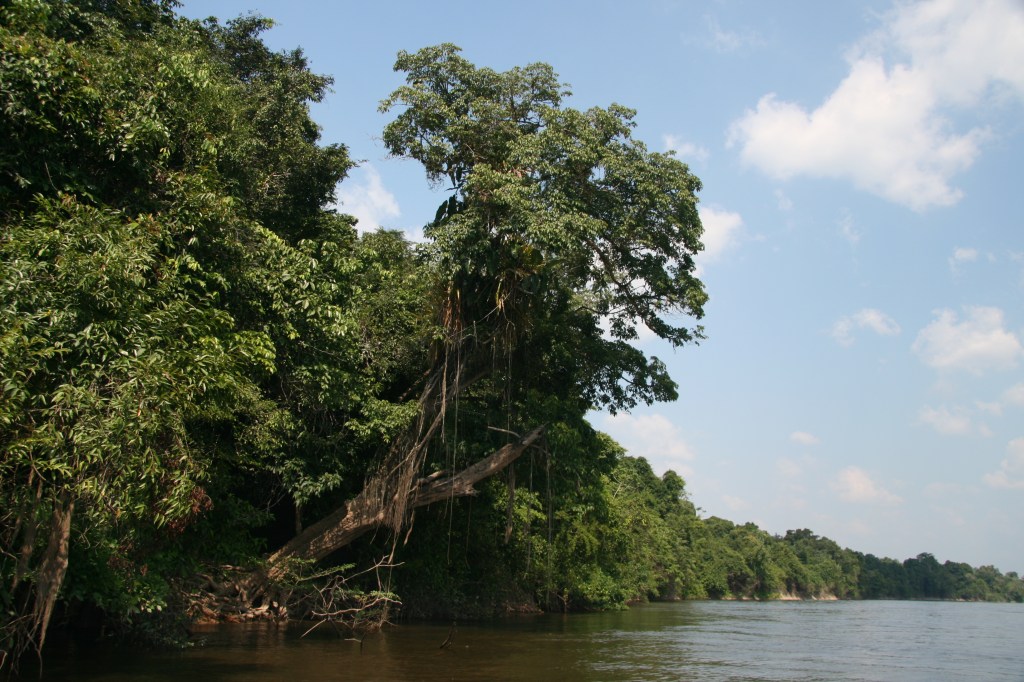
Several years earlier, I made my first of two Amazon fishing/nature photography trips; this one to the Cuyabeno River, an Amazon tributary in eastern Ecuador. This short trip comprised tent camping, primitive restrooms and river bathing.
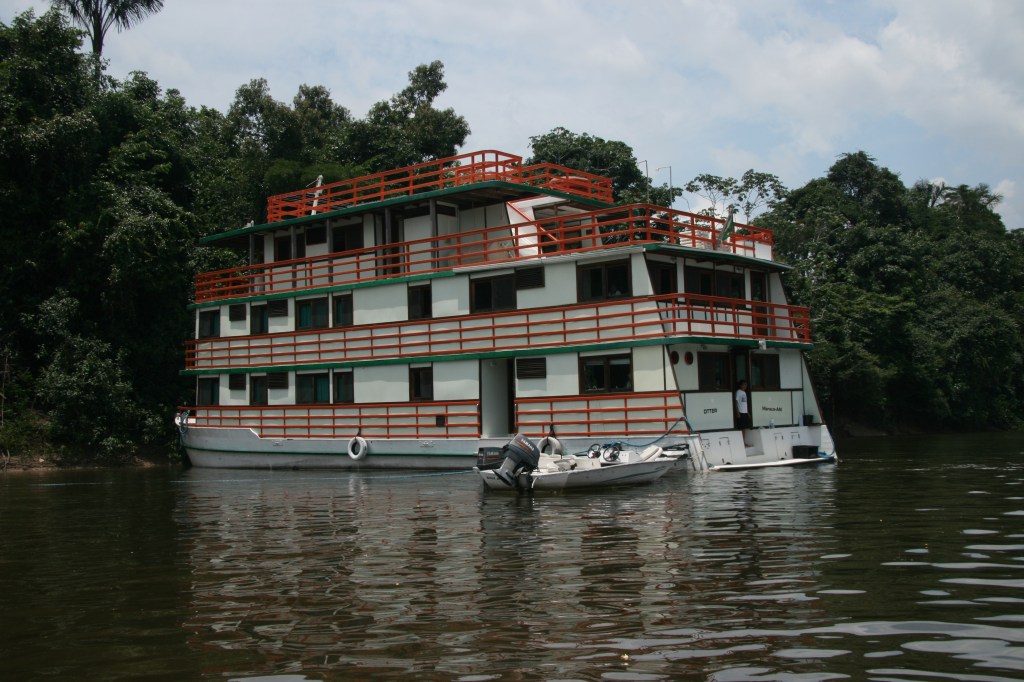
Later, I’d visit the Brazilian Amazon region where a longer Manaus-based excursion would take us into a couple of tributaries packed with giant peacock bass, the stunning redfin catfish and whopper black piranha the size of a steering wheel. We spent a week on a bi-level mothership and took daily fishing/exploring trips on the aluminum boats towed behind the main vessel.
Such trips reward you with a wealth of experiences and enrichments. Everyone’s bucket lister follows its own script, but here are some points to bear in mind.
Achievement and Ambiance
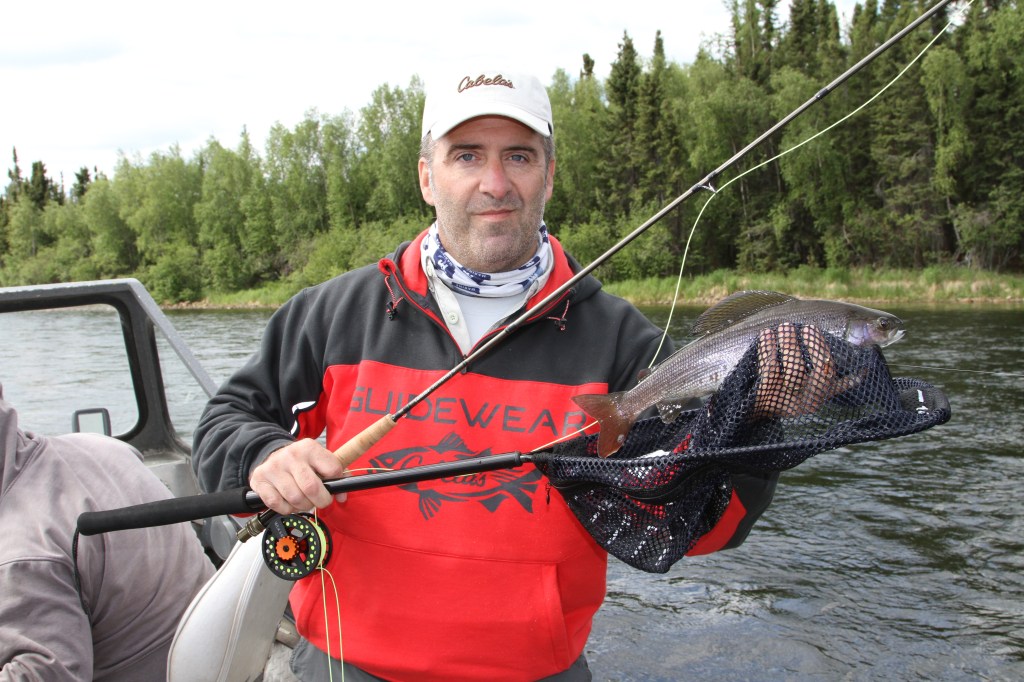
One of the biggest attractions of bucket list fishing is species isolation/remoteness. It could be that shallow, rocky Canadian stream where I caught the stunning Arctic grayling, the secluded grassy river where I bested the pike of a lifetime, or a quiet backwater Amazon lagoon where the sound of a 17 1/2-pound speckled peacock smacking my prop bait carried so far that another group of anglers from my trip heard it a football field away.
For me, the key objectives of what I’d call a bucket list trip include the soul-cleansing detachment from civilization, the personal growth of engaging different species and scenarios and the cultural enlightenment of interacting with different people groups.
My Saskatchewan trip was a little early for the Northern Lights, but the sun sets late at that latitude and the cotton candy swirls of pinks, lavenders and brilliant orange tones were purely entrancing. During a walleye drift, a young black bear wandered to the shoreline, literally sat upright on a flat rock and watched us fish for about 10 minutes.
Finding a bald eagle’s nest with mama feeding a pair of fuzzy gray chicks was magical, but my favorite ambient memory was falling asleep to the sound of wolves baying across the river. Not the least bit unnerving, their nighttime communication ritual sung me into slumber like a childhood lullaby.
During an Amazon night trip for redfin catfish, my guide shined his spotlight along the shoreline before anchoring his boat. The collection of glowing red eyes revealed just how many caimans (Amazon alligator) any given shoreline will hold.
Other amazing sights included pink river dolphins rolling and breaching in a scenic river bend, scarlet macaws gliding through the canopy, brightly colored poison dart frogs hiding amid the leaf litter, and spider monkeys foraging through the lower tree limbs.
The topper: My Ecuadorian guide slid our canoe close to the bank and pointed out a tree sloth napping amid a hammock of tangled vines. Just as we pulled away, I caught a glimpse of a tiny arm as the baby sleeping on her belly yawned and stretched.
Geography/Topography: I’ve always found that analyzing my target area’s layout — whether distant or local — helps me develop a time-efficient game plan. Logical, yes, but it’s also personally fascinating to study the immediate and surrounding areas.
Spend a day “Google Earthing” your way through Amazon tributaries and you’ll barely scratch the surface, but the connectivity is absolutely captivating. Same goes for those Northern Saskatchewan rivers, lakes and streams. Whatever your bucket list area, it’s special for a reason, so look for those photo-worthy vistas, along with the angling sweet spots.
Studying before and after my bucket list trips taught me several enriching points. For example, the Amazon receives all the rainfall and drainage from the east side of the Andes Mountain range and gathers it into the world’s largest river system by volume. During the rainy season, the Amazon proper can span up to 25 miles wide, as its powerful freshwater flow punches up to 100 miles into the Atlantic Ocean.
During my Saskatchewan trip, I was introduced to a geographic marvel known as the Canadian Shield. An enormous area of exposed Precambrian igneous and high-grade metamorphic rock, this formation also known as the Laurentian Plateau covers more than half of the Great White North and reaches into the northern U.S.
Post-Ice Age glacial melting left a vast network of rivers and lakes filling the low spots. Nature added a menu of sport fish species for an angling paradise amid some of the most unspoiled landscapes you’ll ever see.

And did you know Northern Saskatchewan holds massive sand dunes? Prior to my trip, I did not. Now I do.
History: Too much to summarize here, but the fur trade and mineral mining industries left interesting tales of adventure and rugged living throughout Saskatchewan and neighboring provinces. Similarly, accounts of early Amazon exploration are real page-turners.
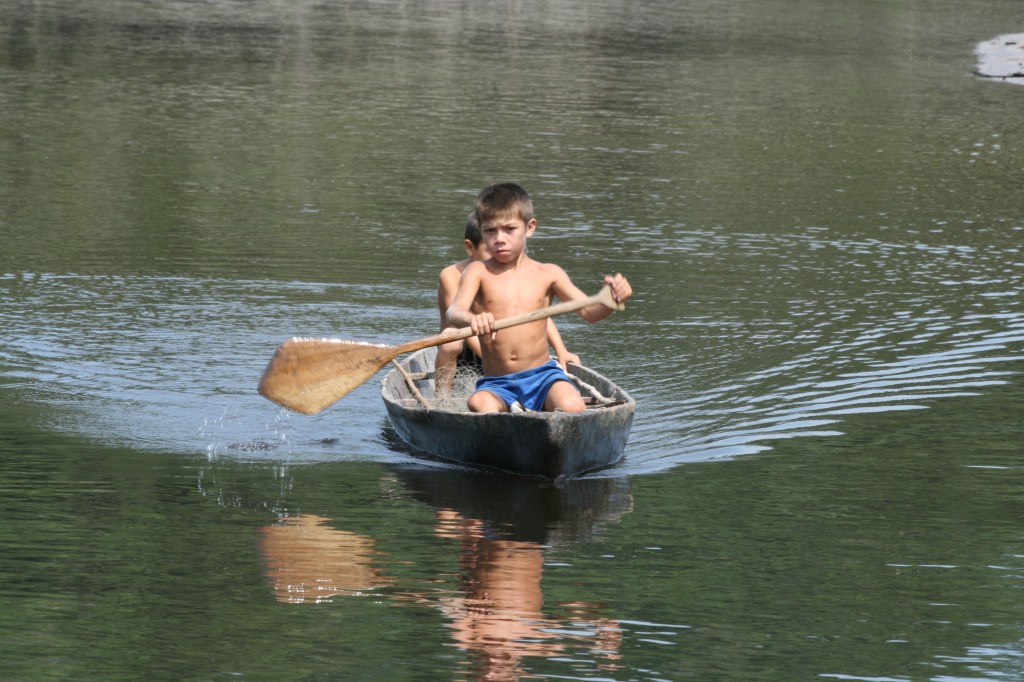
Culture & Cuisine: During my Saskatchewan trip, I shared a commuter flight to my final destination with several First Nations people who were very kind and welcoming. In Brazil, young boys in dugout canoes would paddle out from random settlements to politely ask if we could spare a soft drink.
In Ecuador, my Amazon guides employed the assistance of a local shaman, who wore a traditional woven leaf head band, along with necklaces and bracelets all fashioned from various rainforest elements. During a hike though the rainforest, the local holy man showed me several forest plants used for painkillers, deodorant, and note pads (using a stick to write messages in the soft underside of a broad leaf.)
At the end of my trip, I bought one of the shaman’s handmade spade shaped canoe paddles, along with several of his wife’s unique handmade necklaces. These priceless treasures have hung in my office ever since.
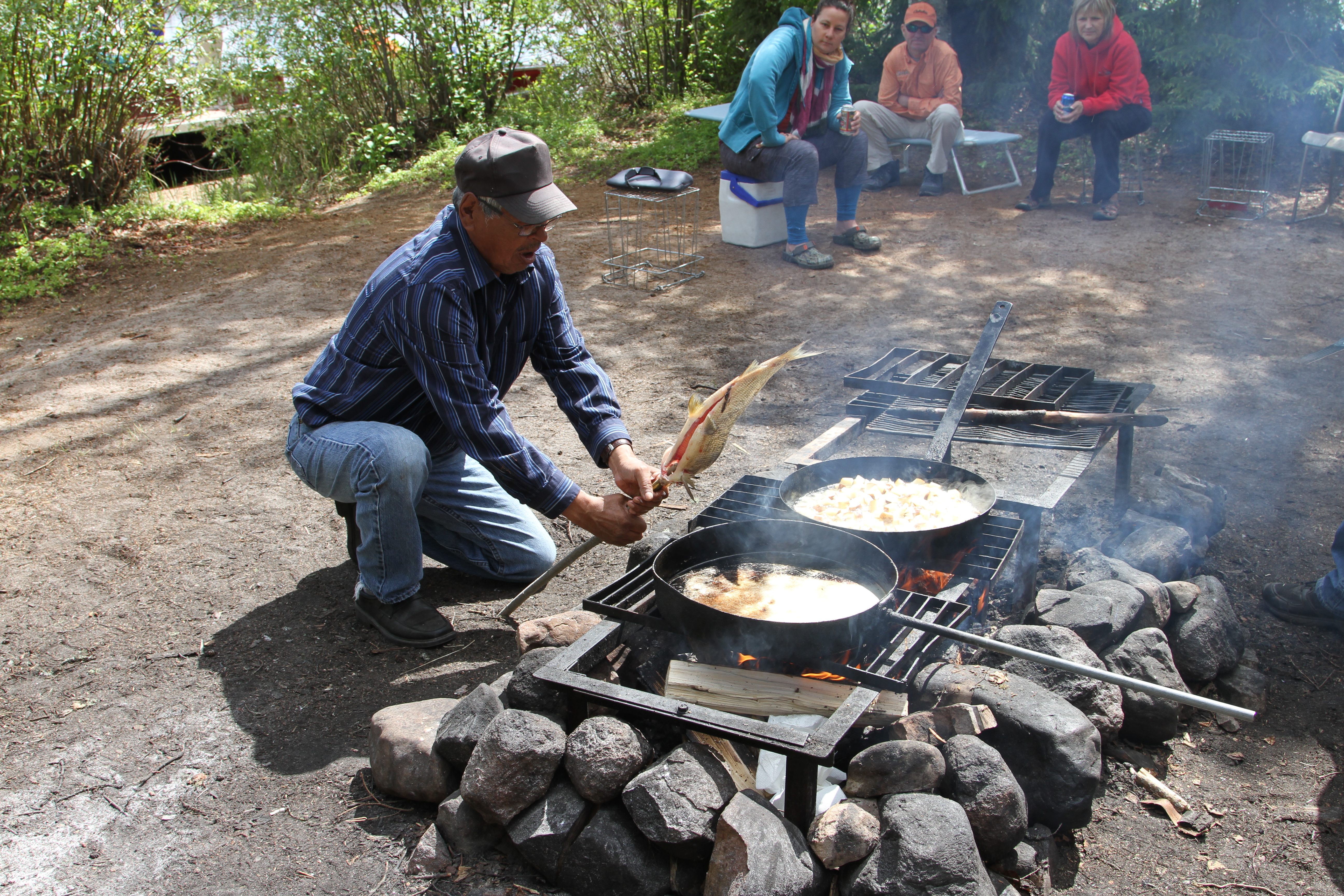
Canadian meals were not much different than what I was used to, but I enjoyed my first Bannock — a flat bread common the Indigenous People of Canada (First Nations, Inuit, and Métis peoples). During a shore lunch, while the camp chef fried the morning’s pike and walleye catches, a First Nations guide cleaned and skewered a whitefish, which he leaned against the cooking grate for an authentic fire-roasted preparation.
In Brazil, the mothership’s kitchen staff served a mix of locally caught fish entrees, including a tasty piranha soup. The highlight came when two of the off-duty guides returned from a hunting trip with a fresh tapir (https://www.rainforestexpeditions.com/wildlife/south-american-tapir/). A simple oven preparation reminded me of roast beef.
Things to Consider
Backpacking your way through foreign lands is a fun way to see those famous cities and World Heritage sites, but for the truly remote and often access-restricted destinations, research reputable guides/outfitters. The right business will coordinate international travel, in-country transfers, and licenses/permits, along with all the gear and meals.
Here are few more points to consider.
Access Abroad: Contact your cellular provider to determine the best plan for on-site service. (In remote areas, a satellite phone may be a better option.) Also, proactively communicating with your bank and credit card issuers will prevent any limitations during your trip. Spending patterns outside your norm could trigger a fraud-prevention hold, unless you’ve already communicated your international plans.
Money: Familiarize yourself with the destination country’s currency and the exchange rate. Most SmartPhone’s include calculators, but make sure you can do the basic math in your head to ensure fair transactions.
Safety and Security: Certain parts of the world carry varying threat levels and because a lot of the super cool fishing destinations will take you well beyond the big cities and often through sketchy areas, you want to know what risks exist. Rather than living life in fear, live with awareness by checking the U.S. State Department’s website for any insights that’ll help keep your trip secure.
Also, check the Centers for Disease Control site for any immunization requirements, as well as local health concerns. To that point, assume “don’t drink the water” applies, until you confirm otherwise.