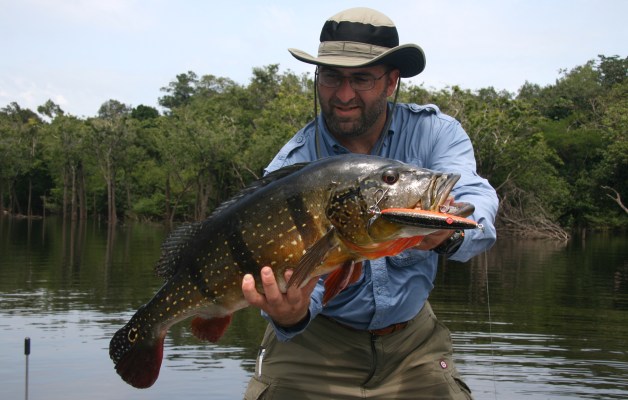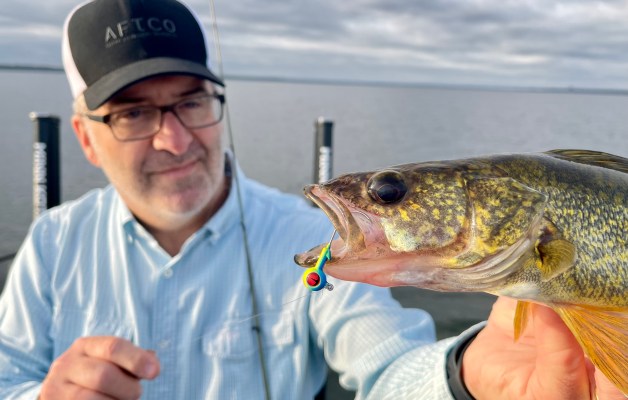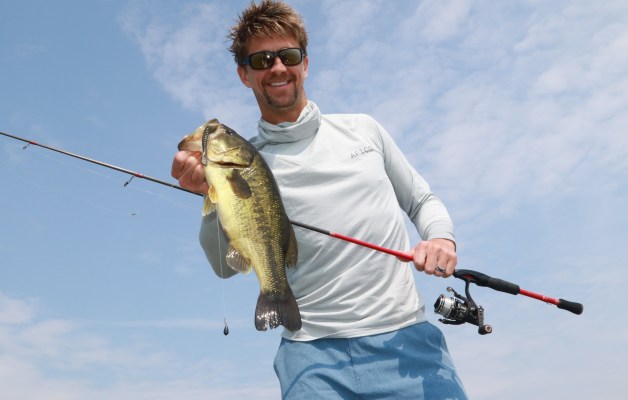
Seasoned anglers often use a simple, yet profound phrase that’ll help frame any scenario, regardless of your experience level: “Fish the conditions.”
This notion proves particularly relevant to shallow, rocky scenarios, as water level and current speed greatly impact the opportunities. Sometimes, it’s as easy as hitting the water, other times, you have to hunt for specific spots.
Case in point: During a recent trip to Upstate New York, I visited Willow Island Park in downtown Canton. Located on the Grass River, the park is located several miles upstream from one of my longtime favorite shore-fishing spots, the Madrid Dam in its namesake town.
Having passed Willow Island Park on my way to and from several Bassmaster tournaments on the St. Lawrence River, I finally took time to explore the fishing opportunities. This visit found seasonal conditions working against me, but even though we all like catching lots of easy fish, you learn more when it’s tough.
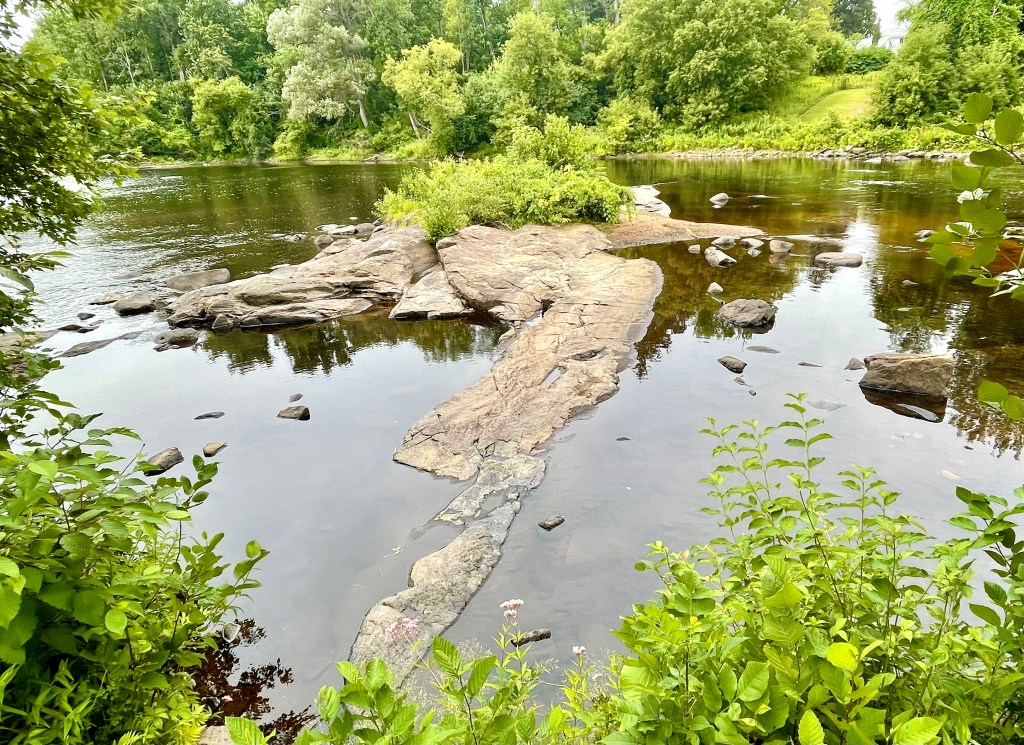
Google Earth recon had pointed me to the island’s southwest corner, where prominent current breaks seemed to create classic tailrace fishing opportunities. However, when I arrived, I found that low water levels had completely exposed that current break — a major rocky ridge extending about 50 feet into the Grass River.
At normal river levels, this ridge is mostly under water, but its obstruction creates a set of rapids and distinct feeding zones. With the water down, the opportunities were thin, but I located two spots that produced fish and illustrated key rock points.
First was a small, but distinct current seam that ripped around the island’s western tip. Bending slightly inward, it outlined a calm, deepwater pocket between the fast water and the northward extension of that rocky ridge.
I distinctly remember saying to myself: “This is where they’ll be.”
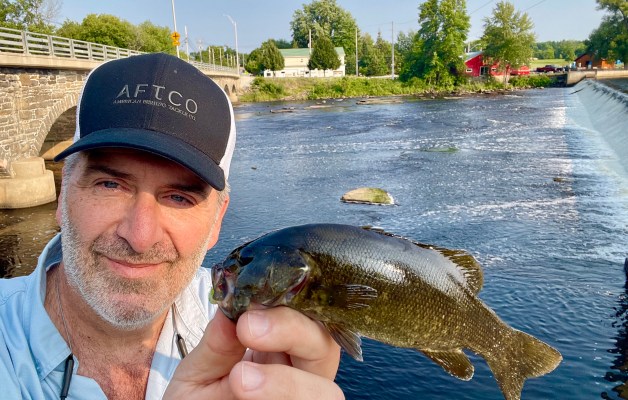
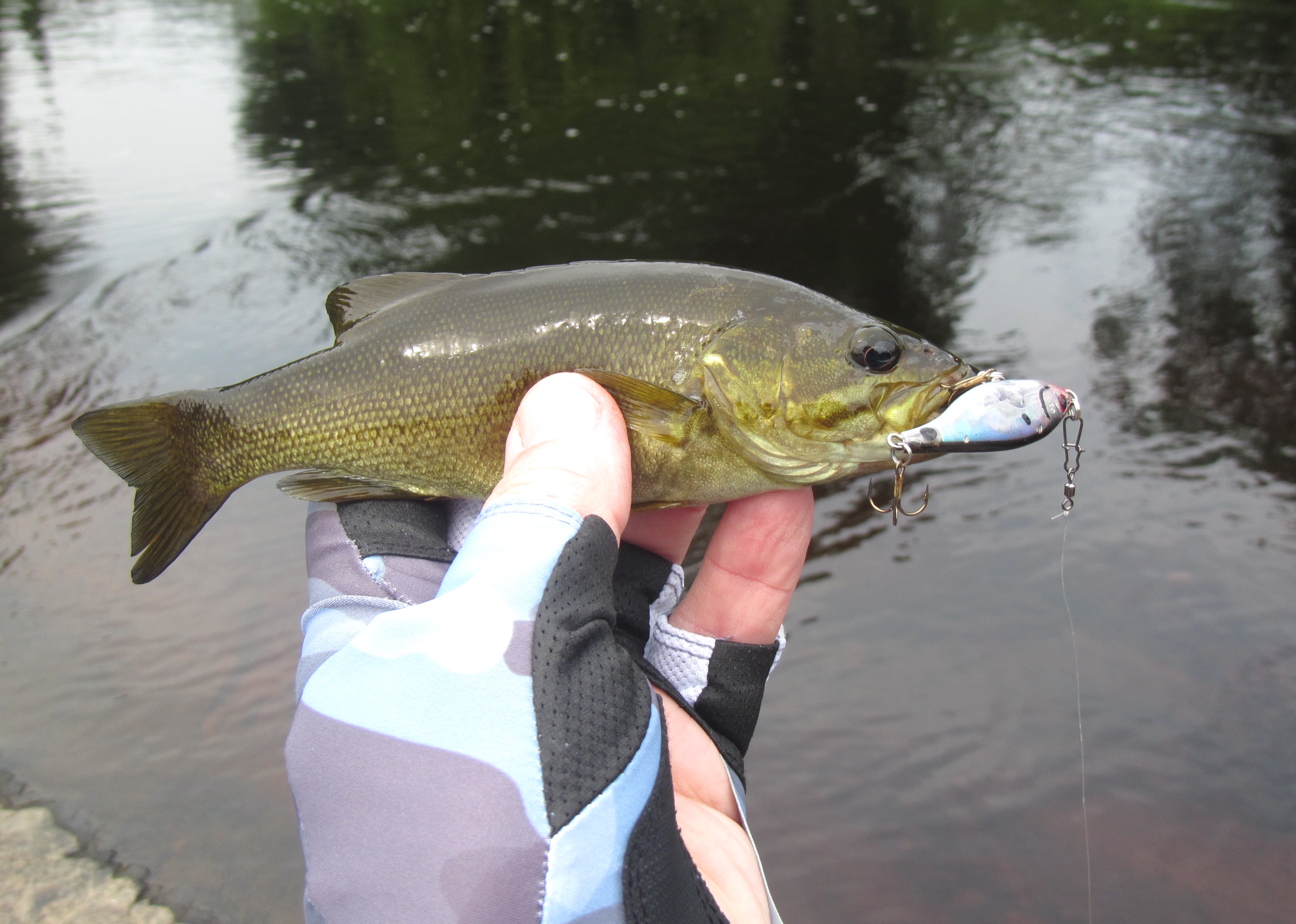
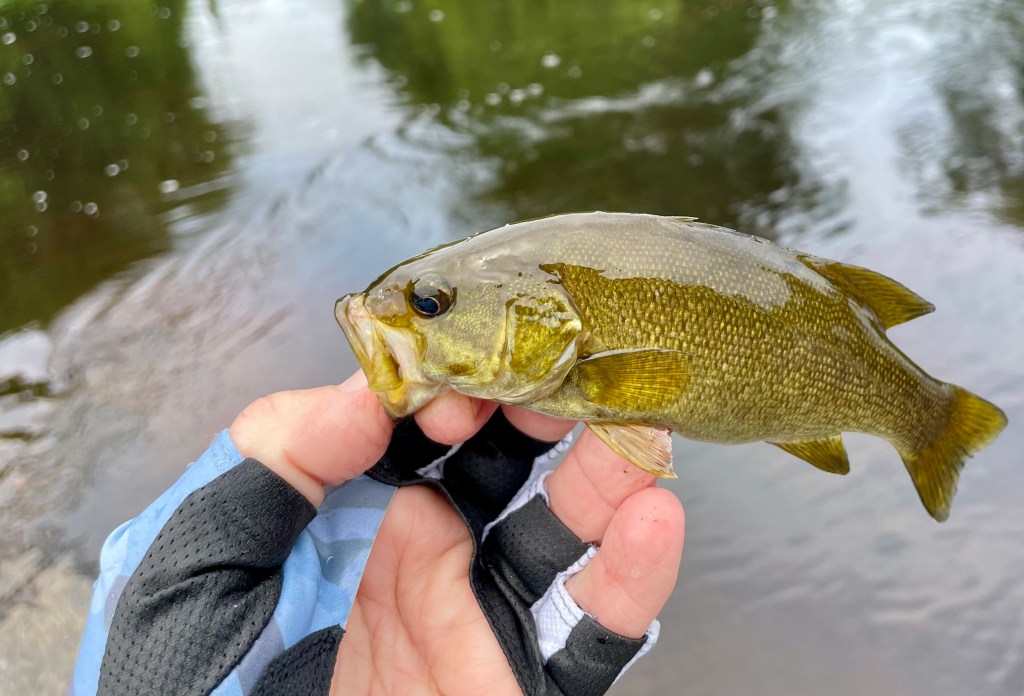
I cast a Rebel Raider (sinking twitchbait) upstream of the point and steadily managed my line to work it through the pocket. Sure enough, as the bait swept past my perch, I saw a shadow burst through the dark river water and grab my bait.
I’m sure a full river would find more and bigger fish relating to the rock island, but I considered that little smallmouth a victory. Pretty cool when you call your shots, but it all comes down to understanding what rocky structure means to fish and how they utilize it.
Through the Uprights: Also, on the south side of that rock ridge, a small spillway in the exposed rock shelf sent accelerated current between a distinct set of rocks. Threading a cast into the overflow, I brought my Raider through what looked like rocky goalposts. Just as the bait entered the narrow lane, a spunky fall fish pounced on the lure.
Lesson: Look for pinch points where food sources get swept through rocky narrows. This condenses the playing field so predators have an easier time targeting their prey.
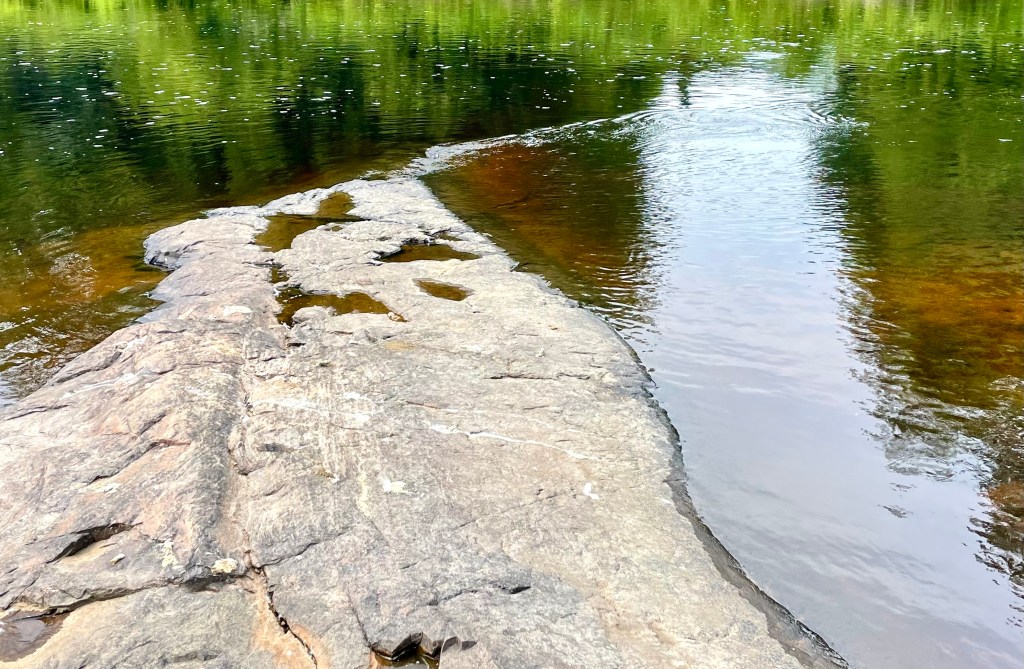
Rock Reference
Whenever you’re able to access rock bars or major rock islands/bars/peninsulas on foot, you’ll not only enjoy the soul-filling “getaway” ambiance, but also a front-row seat to the angling action. Keep your profile low, try to keep your shadow off the water and approach your fishing area with a rod rigged and ready.
Often, you’ll find the fish remarkably close, but if you can see them, they’ve already seen you, so don’t blow the game before it starts.
Ebb & Flow: In coastal scenarios, remember that low tides may offer access to exposed rocks, but once the water rises, your return could be more challenging. Know the day’s tide schedule and projected depth changes.
Utilize Nature’s Design: Loose rocks and rocky ridges, bars, etc. typically offer gaps and crevices that make handy rod holders. Keeping rods upright and out of the way avoids potential scuffing and line damage, while also eliminating the risk of accidentally stepping on your gear.
Also, keep your tackle bag, jacket, hand towel, etc. on the higher sections. Wind driven waves and wakes from passing boats will push water onto your spot, so protect the gear.
Lastly, depressions, holes and any low spots within the rock structure often hold water left by a falling tide, or declining freshwater levels. I’ve found such spots provide convenient hand-washing basins, as well as temporary fish tanks where I can keep my catch safe and secure while I grab my camera or cell phone.
Note: Before placing a fish in a shallow pool, check the water temperature first. If intense summer sunlight has made it too hot, don’t stress any fish you plan to release.
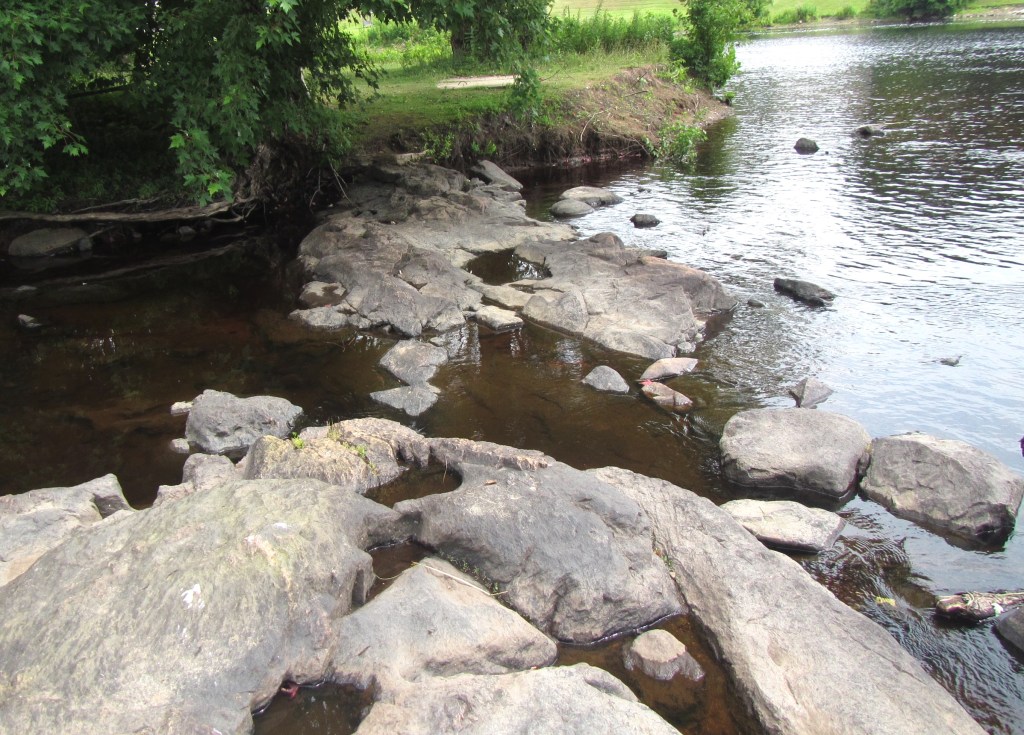
Step with Caution: Wet rocks are slick rocks, and if there’s any hint of green or brown film, you can expect an “icy sidewalk” level hazard. If you have to traverse wet, algae-coated rocks, keep your weight centered, use short, tight steps and do not rush. (Sturdy shoes with gripping treads are a must.)
When your path requires you to step from one rock to another, make sure you have a secure grip on your rods (no hooks/lures near your grip point) and secure your tackle bag for proper balance.
Test smaller, potentially loose rocks with a toe tap before committing and step with your toes pointed outward. This ensures a more stable base so you can absorb any side-to-side wobbling more so than a toes-forward stance.
When I first stepped onto that Willow Island rock extension, I found a short, but unnervingly steep access point that required three steps down a muddy bank. Thankfully, adjacent plant stalks offered natural handrails, but I found that descending with my back to the river — like climbing down a ladder — kept my weight angled inward and minimized the falling risk.
As I returned to the mainland, I noticed the rock island had another connection point. This one found a higher rock plateau requiring one easy step onto solid ground.
Wish I would have noticed this from the outset, but now I know for my next visit.