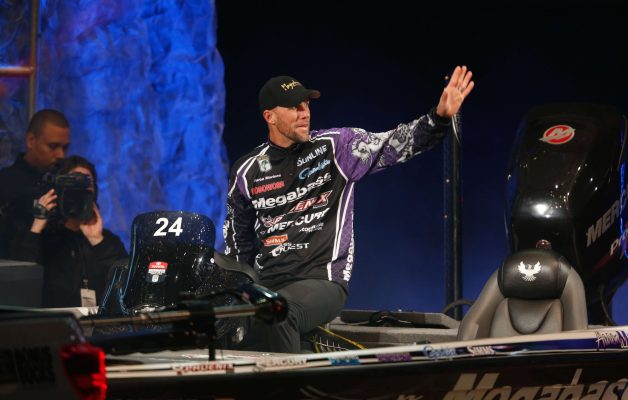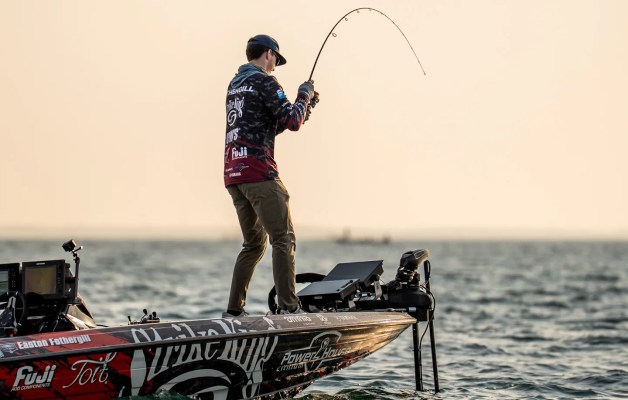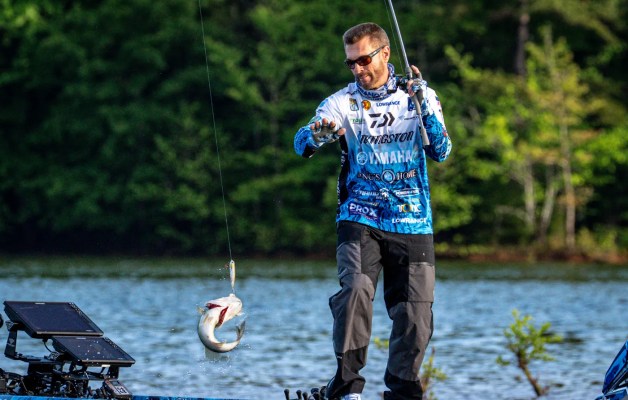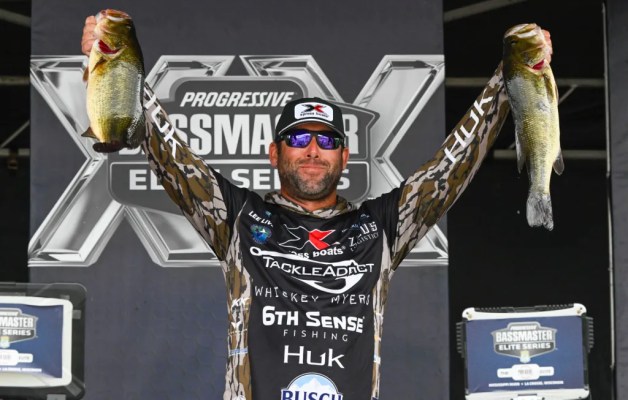
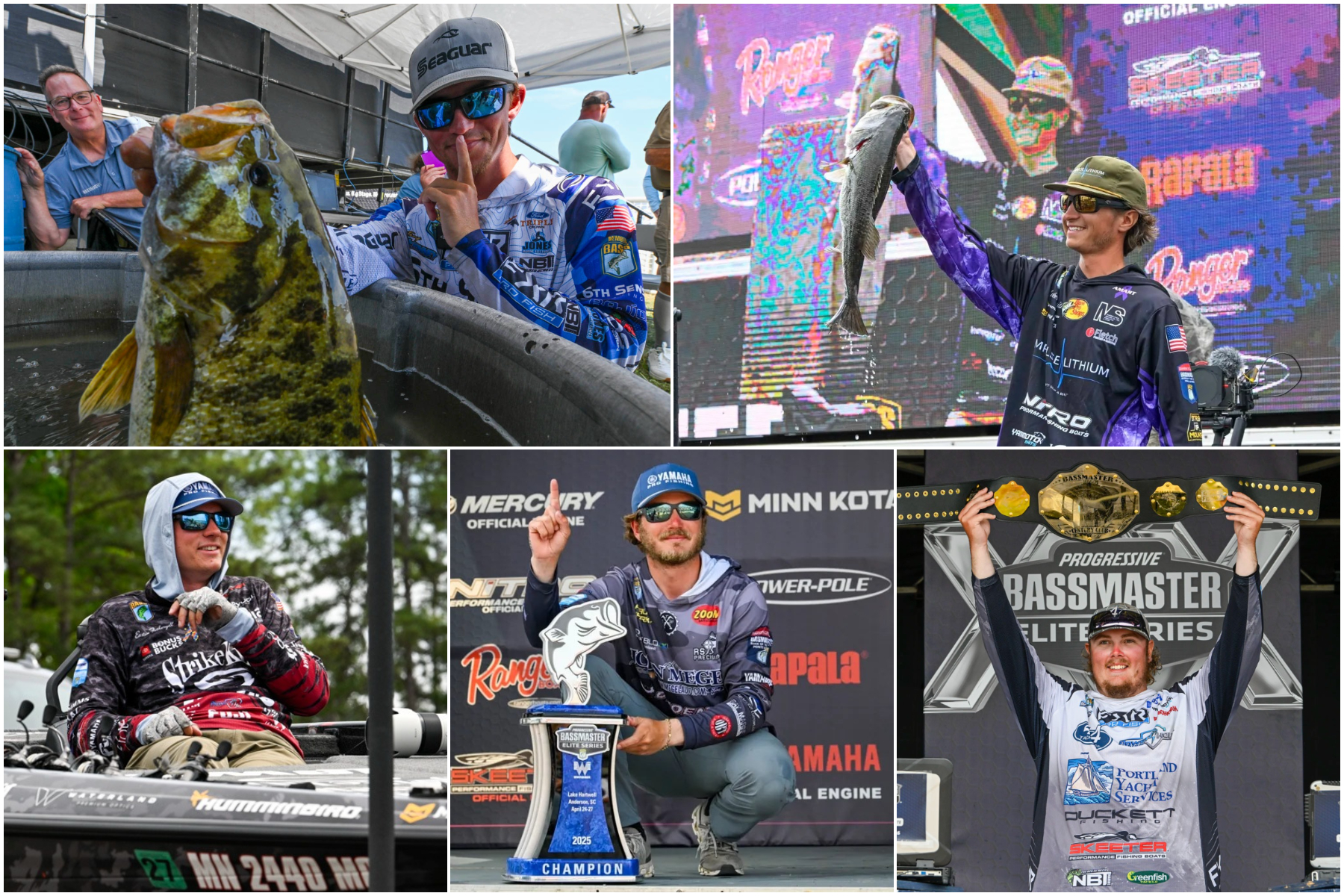
For the past few seasons, a common refrain has followed the newest wave of Bassmaster Elite Series stars: “They can’t win without forward-facing sonar.” Critics have painted Trey McKinney, Easton Fothergill, Paul Marks, Tucker Smith, Tyler Williams and their peers as one-dimensional anglers, successful only because of their ability to master the latest technology.
That’s an unfair label — and in 2026, these young guns will finally have the chance to prove it.
B.A.S.S. recently announced that up to five Elite Series tournaments will prohibit forward-facing sonar, creating a schedule that challenges anglers to excel in both high-tech and traditional settings. The rule isn’t designed to eliminate innovation; it’s meant to spotlight the whole sport of bass fishing. And for this new generation of anglers, it sets the stage for a career-defining opportunity.
Take McKinney, for example. At just 20, he’s already been praised for his instincts, his ability to stay calm under Classic pressure and his willingness to grind when the bite turns tough. Sure, he’s sharp with LiveScope — but his tournament résumé already shows he can adjust on the fly. The same goes for Fothergill, who won the 2025 Classic with the world watching. Yes, he used technology to find fish, but he also showcased patience, precision and confidence — qualities that have nothing to do with pixels on a screen.
Paul Marks and Tucker Smith have built reputations as versatile anglers too, equally comfortable working offshore with electronics or flipping shallow cover when conditions demand. Tyler Williams has proven his adaptability as well, learning quickly that you don’t climb the Elite Series ladder without being able to mix power and finesse.
What the critics forget is that these pros grew up with FFS, but they also cut their teeth fishing farm ponds, rivers and lakes where instinct mattered more than screens. They know how to read water, follow seasonal movements, and adjust baits to match conditions. They’ve simply added sonar mastery to an already complete toolbox.
The 2026 season will put that toolbox on full display. In the “tech-on” events, we’ll still see McKinney and company pinpointing bass suspended over timber or chasing schools in open water. But in the “tech-off” events, we’ll see them shallow cranking, skipping docks and working grasslines — proving they can still out-fish the field without the aid of a live transducer.
For fans, it’s a best-of-both-worlds scenario: the drama of watching bass tracked in real time alongside the thrill of traditional, instinct-driven fishing. For the young pros, it’s a chance to silence the doubters once and for all.
Far from being one-trick ponies, this generation is about to show it can win in every arena. The message is clear: these anglers aren’t defined by technology. They’re defined by talent.