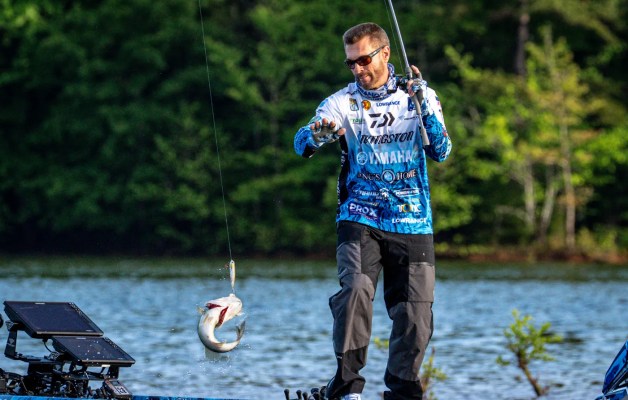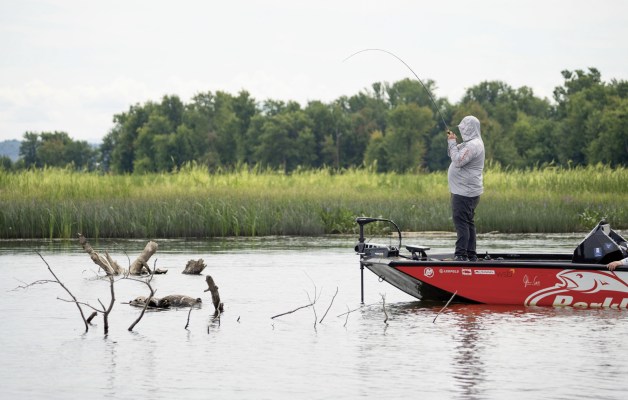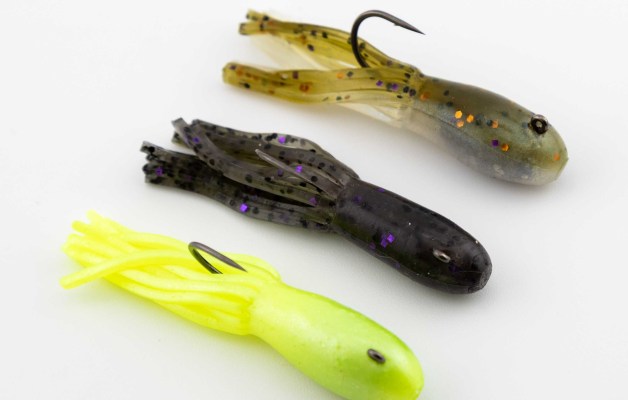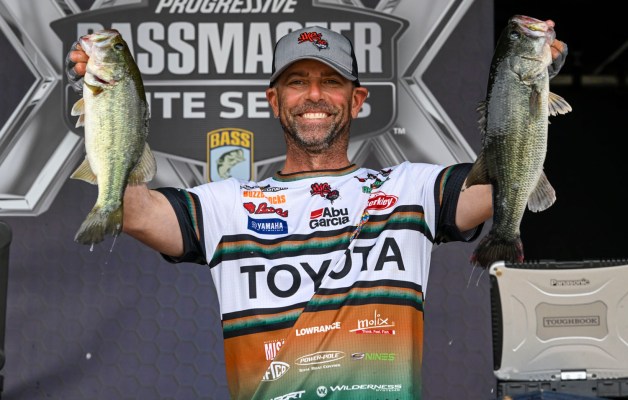

Many factors play into tournament fishing. Things like preparation, execution and the ability to adapt to changing conditions. The anglers who work through these various aspects of the game with consistency are the ones most likely to dominate.
What it boils down to is decision making.
How a competitor approaches pre-tournament preparation involves considerable thought and decision making. How a game plan for official practice and actual competition comes together requires additional decision making. And how one adjusts to potential setbacks during the course of competition necessitates even more decision making.
Plans gone wrong
Over the past two years, my decision making in the Elite Series has been poor. In fact, at times it was pathetic. And it cost me dearly.
While I felt prepared going into most of the events, somewhere in the process I failed to make the right choices. Whether it was where to start or the type of presentation to use, or simply bad timing, I found ways to blow opportunity after opportunity.
In numerous events, I patterned what I believed were the right fish based on the conditions. That included weather patterns, water conditions, angling pressure and a whole host of other factors. Somehow, though, things went terribly wrong.
Whatever the situation, I somehow veered from the better choice.
You would think, having so much experience, I could avoid such mistakes. But apparently not.
Add to that the fact that the competition is much stiffer today; there is little room for error. The skill level of this new generation of Elite anglers is unmatched by any before them. They’re programmed for success right out of the starting gate.
Decisions made for us
When I first got on tour, it was a learning curve. Back then, B.A.S.S. competitions were conducted in a draw-type format, whereby the anglers were paired together in head-to-head competition. The format was designed to allow each angler control of the boat for half the day. Sometimes it worked out, sometimes it didn’t. And even when it did, there were compromises.
In short, the decisions made weren’t always your own.
Although a lot could be gained from those draw tournaments, it wasn’t the purest form of competition. An angler who struggled in practice might be paired with one who was on fish. Conversely, you could be on fish but lose the coin toss and your advantage with it. Control of the boat was that important.
Seeing the pitfalls of this type of format, tournament organizations adopted a strategy of pairing boaters with non-boaters — or “co-anglers” as they were commonly referred to. This gave the pro full control of the boat and where to fish, which was good, but that also came at a cost.
By competing with a co-angler, the pro was sharing his spots and his fish. That in many cases negatively affected the outcome of an event.
There were exceptions, however. On numerous occasions, a pro benefitted by having a co-angler, by having a different lure in the water … especially if that co-angler was skilled. That meant more information, more feedback as to what the fish might want in a particular situation.
Pure and simple
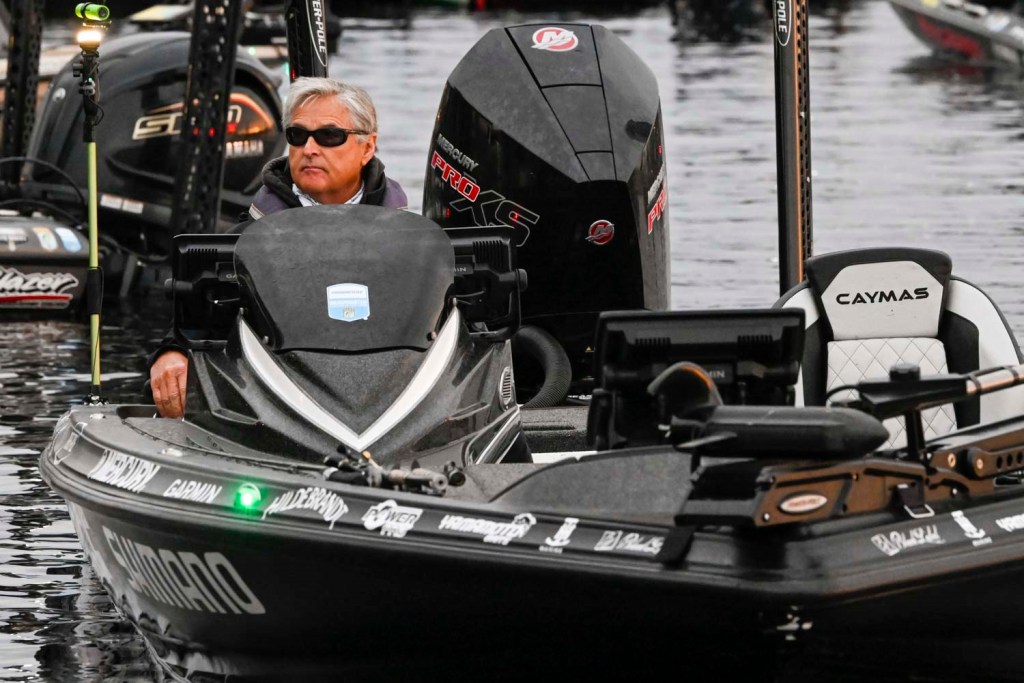
To make things as fair as possible, the only real solution was to adopt a format like that applied in the Bassmaster Elite Series — where the pro is on his own, making his own decisions.
Right or wrong, you’re decisions were your own. And that is how it should be.
Although Elite anglers are frequently paired with a marshal or cameraman, they’re not allowed to accept any assistance. That includes subtle suggestions or fragments of information. They are there only to observe or document what happens during the course of competition.
On occasion, one might get a tip from a fellow pro. But on the whole, it’s every man for himself. And it’s the decisions we make that either lift us up the leaderboard, or sink us into oblivion.
In the next installment, I’ll share some examples of good and bad decision making and how they determined the outcome.
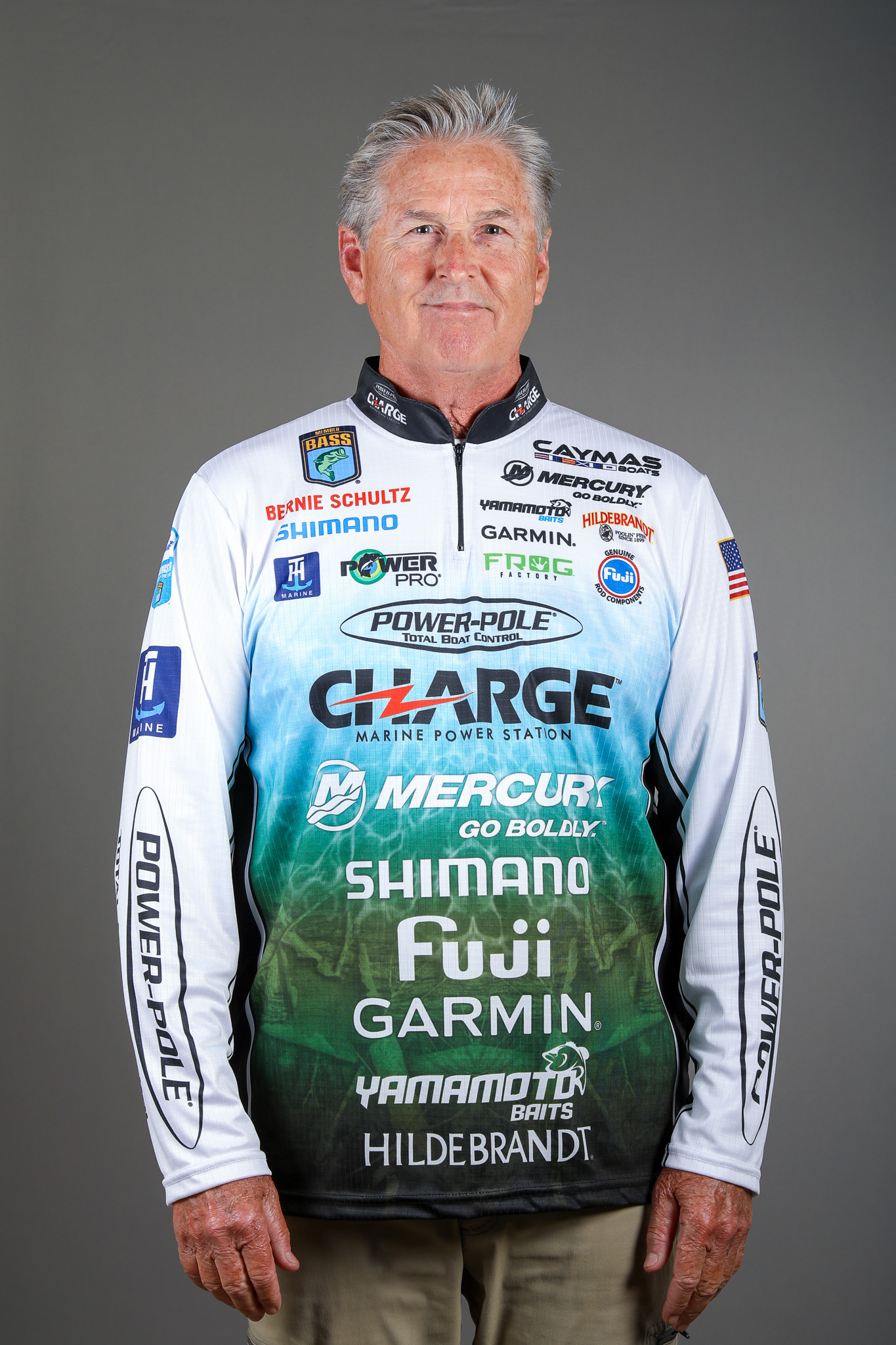
Follow Bernie Schultz on Instagram, Facebook and through his website.